Young Adult Financial Guide: Build It Right From the Beginning
Turning 18 or graduating should come with a financial roadmap. This guide teaches the banking, savings and credit fundamentals that are too often left out of school and are not equally passed down in every household.
FOUNDATION BEFORE SCORE
Credit is built by a system, not luck.
The goal is not to open as many accounts as possible. The goal is to establish strong banking relationships, protect your cash, use credit responsibly and create a history that can support future housing, transportation and business opportunities.
THE CORRECT ORDER
Your six-step financial launch plan
Move in sequence. Each step supports the next and helps prevent expensive mistakes.
1
Choose a checking account
Use an FDIC-insured bank or NCUA-insured credit union with transparent fees, reliable access and strong service.
No monthly fee or an easy waiver
No minimum-balance trap
Free ATM access and alerts
Overdraft controls you understand
2
Open savings separately
Keep emergency money away from daily spending. Automate a transfer every payday, even if the amount starts small.
Set a starter goal of $500
Build toward one month of expenses
Never treat savings like checking
3
Build a bank relationship
Direct deposit, consistent balances and responsible account management may strengthen your relationship with a financial institution. Approval is never guaranteed.
4
Start with one credit product
Consider a student card, entry-level card, or secured card that reports to all three major credit bureaus. Prefer no annual fee and a clear path to graduation.
5
Use it lightly & pay correctly
Charge only what is already in your budget. Pay the full statement balance by the due date. Avoid carrying interest just to “build credit”—it is unnecessary.
6
Protect the foundation
Freeze unused consumer files, monitor all three reports, protect passwords and never lend your identity, card or account to someone else.
SAVE WITH PURPOSE
Traditional savings vs. high-yield savings
Both can protect cash, but they may serve different roles.
Traditional Savings
Usually connected to your everyday bank
Fast, convenient access
Often pays a lower interest rate
Useful for immediate transfers or a small buffer
STRONGER FOR MOST EMERGENCY SAVINGS
High-Yield Savings Account
Typically earns a higher variable annual percentage yield
Helps idle emergency cash earn more
Should be FDIC or NCUA insured
Compare fees, minimums, transfer speed and withdrawal access
The practical route: Keep enough in checking for bills and a small buffer. Place emergency savings in a competitive HYSA when its access and terms fit your needs. Rates can change, so compare the current APY—not marketing language alone.
VERIFIED CREDIT-BUILDING OPTIONS
Strong products—used in the correct order
You do not need every product below. Start with one revolving account. Add an installment account only when its cost, structure and purpose make sense for your profile.
SECURED INSTALLMENT LOAN
Navy Federal Savings Secured Loan
For eligible Navy Federal members. Your savings secures the loan, no credit check is required and Navy Federal identifies it as a way to build credit. The loan still charges interest, so use it only as part of a plan—not to borrow unnecessarily.
Requires eligible Navy Federal membership and sufficient savings
Savings remain pledged as collateral
Apply by phone or at a branch
Confirm current rate, term, reporting and fund-release process
A no-annual-fee secured card with a refundable deposit that establishes the credit line. It may fit someone who can responsibly secure a larger limit without draining emergency savings.
Issuer currently lists deposits from $300 to $5,000
Choose a payment due date
Never lock up money needed for bills or emergencies
Being added to a trusted person’s established card may help only when the issuer reports authorized users and the primary account remains positive. The relationship and account history matter more than the limit.
Never buy access to an unknown person’s tradeline
High balances or missed payments can create risk
Authorized-user history does not replace accounts in your own name
BUILD WITH INTENTION
Recommended sequence
01
Check your reports
Confirm your personal information is accurate before applying.
02
Establish banking
Open and responsibly manage checking and savings first.
03
Open one starter card
Choose one suitable product instead of submitting multiple applications.
04
Build for 6–12 months
Keep usage low and pay the statement balance in full and on time.
05
Consider one secured loan
Add installment history only when it has a clear purpose and manageable cost.
06
Apply only with purpose
Every new account should support a specific long-term financial goal.
READ. APPLY. GROW.
10 books that can shape your path to wealth
Wealth begins with financial knowledge, disciplined behavior and consistent action. Read these in order, take notes and apply one lesson from each book before moving to the next.
01
MONEY BEHAVIOR
The Psychology of Money
Morgan Housel
Learn why patience, behavior and decision-making often matter more than financial intelligence.
02
CORE WEALTH PATH
The Simple Path to Wealth
J.L. Collins
Understand financial independence, low-cost index investing, avoiding unnecessary complexity and allowing time to build wealth.
03
FINANCIAL SYSTEMS
I Will Teach You to Be Rich
Ramit Sethi
Build an automated system for banking, saving, investing and intentional spending.
04
FULL FINANCIAL PLAN
Get Good with Money
Tiffany Aliche
Create a practical foundation covering budgeting, savings, debt, insurance, credit and long-term goals.
05
YOUNG ADULT BASICS
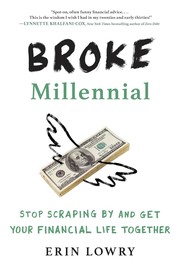
Broke Millennial
Erin Lowry
Learn how to manage real-life money decisions, financial anxiety and conversations about money.
06
PURPOSEFUL SPENDING
Your Money or Your Life
Vicki Robin & Joe Dominguez
Connect spending with time, values and freedom while measuring the true cost of your lifestyle.
07
INVESTING
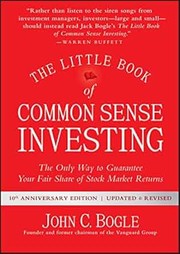
The Little Book of Common Sense Investing
John C. Bogle
Understand diversification, index funds, long-term investing and why fees can quietly reduce returns.
08
QUIET WEALTH
The Millionaire Next Door
Thomas J. Stanley & William D. Danko
Study the difference between appearing wealthy and consistently building net worth below the surface.
09
SIMPLE RULES
The Index Card
Helaine Olen & Harold Pollack
Turn personal finance into a concise set of understandable rules that are easier to follow consistently.
10
HABIT FORMATION
Atomic Habits
James Clear
Build repeatable systems that make saving, learning and responsible financial actions part of everyday life.
Do not read passively.
After each book, write down three lessons, choose one action and complete it within seven days. Knowledge creates opportunity only when it changes behavior.
CREDIT RULES THAT MATTER
Build history without building debt
Payment history
Never miss a due date. Set autopay for at least the minimum as a safeguard, then pay the full statement balance.
Utilization
Keep reported balances low relative to limits. A low balance is healthier than maxing out a card, even when you plan to pay later.
Account age
Keep a well-managed, no-fee starter card open when it continues to serve you. Time is a major part of credit history.
Avoid these early mistakes
Applying for several cards at once
Using buy now, pay later as a routine
Paying interest because you think it builds credit
Co-signing without understanding full responsibility
Opening fee-heavy or predatory products
Ignoring bank statements and credit reports
Letting friends or relatives use your accounts
Spending based on a credit limit instead of income
Start with a plan built for long-term success.
Your first accounts can shape years of financial opportunity. Learn the correct structure before applications, debt or costly mistakes begin.