Turning 18 is more than a birthday. It is the beginning of your financial reputation. Use this guide to build banking, savings and credit the right way from the beginning.
Cash and debit cards help you spend, but they do not build a credit history. A strong foundation can create better options for housing, transportation, insurance and emergencies.
IMPORTANT PROTECTION STEP
Your health and age can affect your options. Do not wait until coverage becomes harder or more expensive.
Life insurance is not only something to consider later in life. Reviewing your needs while young and healthy can help you understand eligibility, pricing and the protection your family or future may require.
GoFundMe, plate sales and donations should not be your family’s backup plan. A crisis is already painful. Your loved ones should not have to grieve while also fundraising for final expenses, household bills or lost income. Preparing ahead is an act of responsibility, protection and love—and it can prevent additional financial stress when your family is already facing the unthinkable.
Review your needs early.01
BANKING FOUNDATION
Checking & savings should have different jobs.
Checking Account
Use checking for income, bills and controlled spending. Choose a bank or credit union with low fees, strong fraud protection and convenient access.
Set direct deposit and account alerts
Track pending transactions
Keep a small safety buffer
Never share login or verification codes
High Yield Savings
A regular savings account may pay very little. A HYSA can help emergency money earn more while remaining separate from daily spending.
Build an initial $500 emergency buffer
Automate every payday
Compare APY, fees and withdrawal access
Keep emergency savings out of checking
02
OVERDRAFT EDUCATION
Protection for a real emergency, not extra spending money.
One transaction can become several fees.
If overdraft is used, stop additional transactions, deposit enough to cover the shortage and fee, and contact the institution immediately. Opt out of expensive per-item debit-card overdraft when a decline is safer.
03
STRONG STARTER PRODUCTS
Build credit with structure, not shortcuts.
Share Secured Loan
A credit-union share secured loan, including Navy Federal when eligible, may help establish installment history while the savings secures the loan. Confirm reporting, cost and release terms before opening.
Starter Credit Card
Begin with one no-annual-fee card or a reputable secured card. Charge one small planned expense and pay the statement balance in full.
Credit Union Relationship
Build real deposit history, use direct deposit when practical and learn the institution’s products before requesting larger credit.
Avoid shortcuts: No Experian Boost recommendation, no buy-now-pay-later dependence and no applications simply because an offer appears.
04
USE CREDIT CORRECTLY
Your first limit is a responsibility, not income.
Keep balances controlled
Use only what can already be paid from checking. Lower reported utilization is generally healthier than carrying a balance. Interest is not required to build credit.
Protect payment history
Turn on autopay for at least the minimum as a backup, then pay the full statement balance by the due date. Review every statement for errors or fraud.
05
DEBT & INTEREST STRATEGY
Make payment timing work in your favor.
MONTHLY EXAMPLE$500 once monthly
→
PAY-SCHEDULE APPROACH$250 every two weeks
Splitting a payment may align better with paydays and can reduce the balance sooner when the lender applies partial payments promptly. Confirm how the lender handles partial, principal-only and early payments before using this strategy.
Pay minimums on every account
Direct extra money to the highest APR first
Mark additional amounts as principal-only when permitted
Compare total cost before refinancing
Confirm there is no prepayment penalty
06
RECOMMENDED SEQUENCE
Build in the right order.
Open the foundation.Choose checking and a high yield savings account.
Create stability.Build a starter emergency fund and automate savings.
Review your data.Confirm personal information and consumer reports are accurate.
Add one builder.Consider a share secured loan or one carefully selected starter card.
Use it lightly.Keep balances controlled and pay on time in full.
Wait and learn.Allow history to develop before applying for more credit.
Expand intentionally.Add products only when they support a real long-term goal.
07
BUILD YOUR KNOWLEDGE
10 books that can change your financial direction.
The Simple Path to Wealth
JL Collins
The Psychology of Money
Morgan Housel
I Will Teach You to Be Rich
Ramit Sethi
The Automatic Millionaire
David Bach
The Millionaire Next Door
Thomas J. Stanley
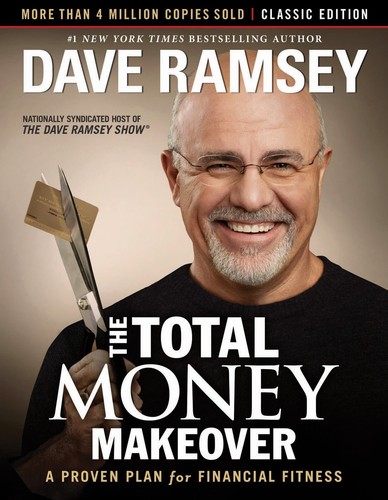
The Total Money Makeover
Dave Ramsey
The Richest Man in Babylon
George S. Clason
Your Money or Your Life
Vicki Robin
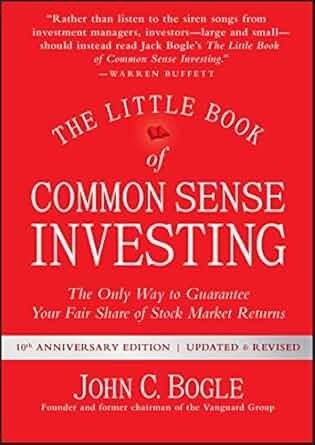
The Little Book of Common Sense Investing
John C. Bogle
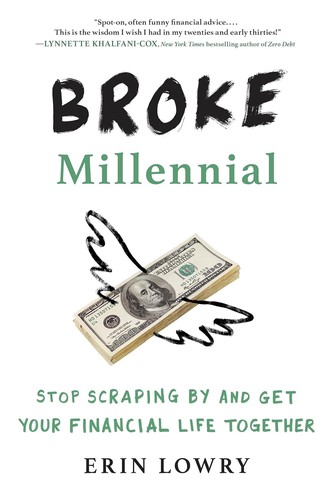
Broke Millennial
Erin Lowry
08
PROTECT WHAT YOU ARE BUILDING
Life insurance deserves an informed conversation.
Life insurance can help replace income, protect dependents, cover final expenses, support business obligations and prevent loved ones from inheriting a financial burden. Coverage may be more affordable when someone is younger and healthier, but age alone does not determine what a person needs.
The right coverage depends on your budget, health, dependents, debts, goals and how long protection is needed. Term and permanent insurance work differently. A properly licensed professional should explain the costs, benefits, limitations and alternatives clearly, then help you select coverage based on your actual needs.
Protect Income
Help provide financial stability for anyone who depends on your earnings.
Prepare for Obligations
Consider debts, final expenses, education goals and other responsibilities.
Plan While Healthy
Age and health can affect eligibility and price, making an early review worthwhile.
Review as Life Changes
Revisit coverage after marriage, children, a home purchase, business growth or major income changes.
Before choosing coverage, ask:
Who would experience a financial loss if I died?
How was the recommended coverage amount calculated?
What is guaranteed and what is not?
Can I comfortably afford the policy long term?
What happens if I stop paying or my needs change?
What alternatives were considered?
Life insurance is protection, not a shortcut to wealth. Emergency savings, high-cost debt, workplace benefits and diversified investing should also be evaluated. No single policy or strategy is appropriate for everyone.
09
START RETIREMENT EARLY
A Roth IRA gives compound growth more time to work.
Roth IRA in plain language
You contribute money that has already been taxed. The account can hold investments, and qualified withdrawals may be tax free when IRS requirements are met.
You need earned income to contribute
For 2026, the limit for someone under 50 is the lesser of earned income or $7,500
Income limits can reduce or eliminate eligibility
Opening the account is only step one—the money must be invested to have growth potential
Compound growth in plain language
Your money may earn a return. Later, both your original money and previous earnings may generate additional earnings. That creates a snowball effect over time.
Principal The money you contribute.
Return What the investment gains or loses.
Time How long the money remains invested.
A simple example
If $100 earns a hypothetical 5%, it becomes $105 after one year. If the full $105 earns 5% the following year, it becomes $110.25. The additional 25 cents is growth earned on previous growth. Over decades, consistent contributions and time can make that effect much larger.
Important: A Roth IRA is an account, not an investment. Returns are not guaranteed, investments can lose value, and tax rules can change. Review eligibility, investment choices, fees and withdrawal rules before acting.
Continue learning: Go to the book section above and read The Simple Path to Wealth by JL Collins for a straightforward introduction to long term investing.
FOUNDATION OVER SCORE
Start small. Stay consistent. Build options.
This guide provides general education. Product eligibility, fees, reporting and terms vary. Review official disclosures before opening any account.